
Communication
Who Will Your Household Contact First?
Create a simple communication plan everyone can understand and use.
Save to Pinterest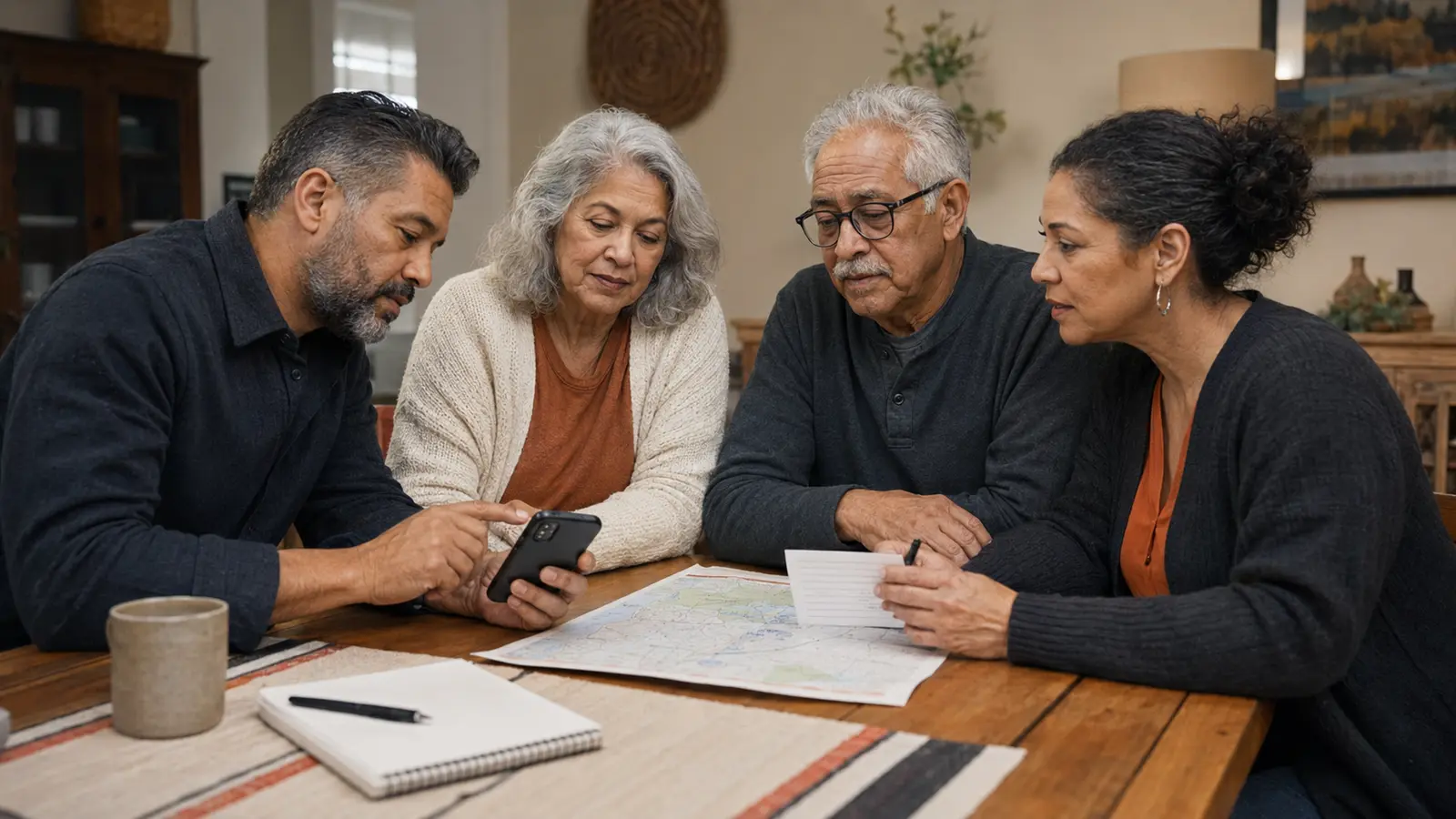
When networks are busy and people are separated, a short plan beats a long contact list. Give every household member the same first contact, meeting places, and backup instructions.

Written by Coach Dex
Practical guidance, checked against primary sources
Coach Dex is the founder and author behind SWC. Safety-sensitive guidance is checked against current government, public-safety, utility, or manufacturer information before publication.
Choose an out-of-area contact
A trusted person outside your immediate area may be easier to reach than someone nearby. Ask whether they are willing to receive check-ins and relay status updates.
- Save the number in every phone
- Give children a printed contact card
- Include school, caregiver, and workplace numbers
Pick two meeting places
Choose one location close to home and another outside your neighborhood. Make sure each person knows when to use each location and who is responsible for children, pets, or relatives.
- Near-home meeting place
- Out-of-neighborhood meeting place
- A safe backup route to each
Practice low-bandwidth communication
Text messages may work when calls do not. Agree on a short check-in format such as name, location, status, and next move.
- Keep messages brief
- Do not repeatedly call unless urgent
- Carry a written copy in case phones are unavailable
Do this today
Your next three steps
- 1Ask one person to be your out-of-area contact
- 2Write down two meeting places
- 3Photograph the finished plan and share it
SWC provides general education. During an active emergency, follow local officials and the appropriate authorities.