
Winter Weather · Power Outages
Winter Power Outage Essentials: Practical Gifts That Help Families Prepare
Practical winter power outage gifts and safety tips: light, a NOAA radio, phone power, warmth, and car readiness, with CDC, CPSC, USDA, and Ready.gov sources.

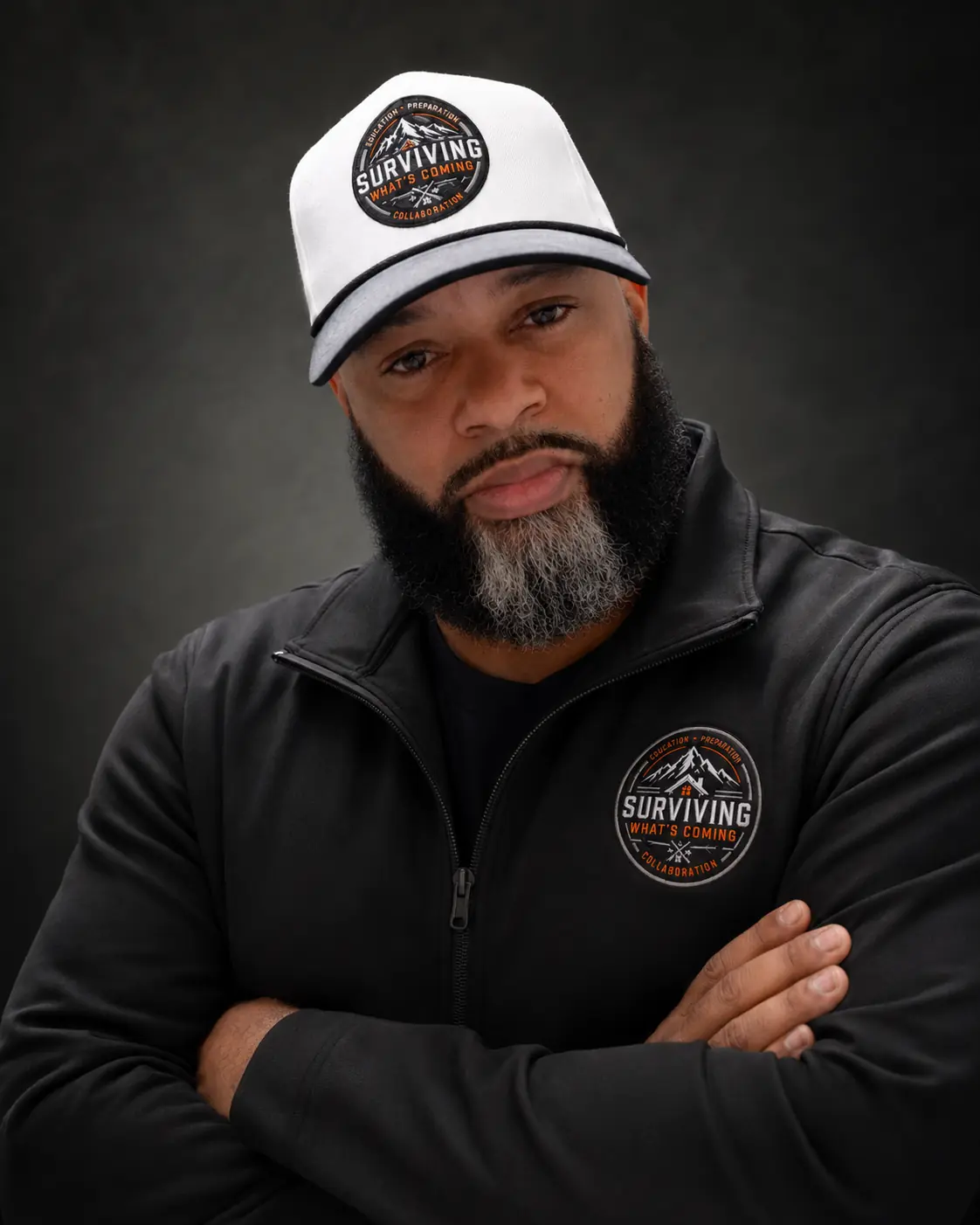
Written by Coach Dex
Practical guidance, checked against primary sources
Coach Dex is the founder and author behind SWC. Safety-sensitive guidance is checked against current government, public-safety, utility, or manufacturer information before publication.
#ad | As an Amazon Associate, Surviving What's Coming earns from qualifying purchases.
This guide contains affiliate links, labeled "affiliate link." When you buy through them, SWC may earn a commission at no extra cost to you. We only include items that fit how SWC prepares: calm, practical, and suited to ordinary households.
Preparedness, not panic
Winter outages rarely make the national news. More often, an ice storm brings down a line on your street, or heavy wet snow takes out a transformer, and the house goes dark and quiet. The furnace blower stops. The phone reads 31%. You're trying to remember where the flashlight went.
You don't need a bunker or a garage full of gear to handle that night well. You need a few dependable things in places you can find in the dark, and a plan the whole family understands.
That's what makes a preparedness gift one of the kindest things you can give this holiday season. It isn't a gift about fear. It says I thought about your winter. The best ones are things people rarely buy for themselves: a lantern that lights the whole room, a radio that works when the internet doesn't, a warm throw on the couch, a way to start the car on a frozen morning. They're useful on an ordinary Tuesday, and they matter most on the night the lights go out.
Why winter outages matter
Losing power in summer is uncomfortable. In winter it's a bigger problem, for a few reasons:
- Heat goes first. Most furnaces, even gas ones, need electricity to run the blower, the controls, or the ignition. A house can lose heat faster than people expect, especially an older home or one with drafty windows.
- Information gets harder to find. If the internet is down, cell networks are overloaded, and your phone is dying, it's hard to know how long the outage will last or whether conditions are getting worse.
- The car becomes part of the plan. People drive to a warming center, a relative's house, or just to charge a phone. Cold weather is hard on car batteries and lowers tire pressure, and both tend to fail on the morning you most need the car.
- Risky shortcuts get tempting. When people are cold, some reach for dangerous fixes: running a generator in the garage, heating the room with the oven, warming up in a car idling in the garage, bringing a grill inside. Those are how a power outage becomes a medical emergency. More on that in the safety section below.
The goal is simple: stay warm, stay lit, stay informed, and stay mobile, without taking shortcuts that put your family at risk. And know when it's time to leave for somewhere warmer.
The essentials, by category
1. Light (without open flame)
Candles feel cozy, but they're a fire risk, particularly around kids, pets, blankets, and a dark house. The CDC and CPSC both recommend battery-powered flashlights and lanterns instead.
Practical tips
- Give each person their own light source, and keep one at every bedside.
- Use a lantern for the room and a flashlight or headlamp for moving around.
- Charge rechargeable lights when you change the clocks, and again before forecast storms.
- Keep spare batteries for anything that uses them, and store them where you can find them in the dark.
2. Information and alerts
When the power's out, you want to know what's coming next: another band of ice, dangerous wind chills, or the opening of a local warming center.
Practical tips
- A NOAA weather radio receives National Weather Service broadcasts without internet or cell service.
- Write down your utility's outage-report number and your local emergency management office's information on paper.
- Agree on a family check-in plan, with one out-of-area contact everyone texts. A text often gets through when calls won't.
3. Power for phones
A phone is your flashlight, your news source, and your link to family. Keep it alive.
Practical tips
- Charge power banks before storms and top them up every month or two.
- Lower screen brightness, close apps you aren't using, and turn on low-power mode early, not at 5%.
- A car can charge phones when the house can't, but only with the car outdoors in open air and the tailpipe clear of snow. Never run a car in a garage, even with the garage door open. See "Vehicles and carbon monoxide" below.
4. Warmth
Pick one room to live in during a long outage, ideally a small interior room with few windows.
Practical tips
- Close the doors to rooms you aren't using. Hang blankets over doorways and drafty windows, and close curtains at night.
- Dress in layers, including hats and socks. Keep everyone dry, because damp clothing chills the body quickly.
- Keep blankets and throws where you can reach them easily, not packed in the attic.
- Babies under one year old should never sleep in a cold room. Dress them in footed pajamas or a sleep sack, and keep pillows and loose bedding out of the crib.
- Check on older relatives and neighbors often. Older adults make less body heat and may not notice a home getting dangerously cold.
- Have a "leave" plan, not just a "stay" plan. Blankets and layers buy time. They don't replace heat. If the house can't be kept warm, the safest move is to go somewhere that is properly heated. See "When to leave for a warmer place" below.
5. Winter car readiness
Your car is your backup plan. Make sure it starts, and make sure it never becomes a carbon monoxide trap.
Practical tips
- Keep the gas tank at least half full in winter.
- Check tire pressure regularly as temperatures drop. Use the pressure printed on the sticker inside the driver's door, not the maximum printed on the tire.
- Keep a blanket, an ice scraper, a small shovel, water, and snacks in the car. Bring a charged jump starter and phone power with you for winter drives (see the NOCO storage note below).
- Before you start the engine after a snowfall, clear snow away from the tailpipe. A blocked tailpipe can fill the cabin with carbon monoxide quickly.
- Don't count on the car to keep you warm. Carry warm clothing and blankets in case it breaks down.
6. Food and water
- Keep the refrigerator and freezer doors closed. According to USDA guidance, a closed refrigerator keeps food safe for about 4 hours. A full freezer holds its temperature for about 48 hours, or about 24 hours if it's half full.
- If the power will be out longer than 4 hours, move perishables to a cooler with ice or frozen gel packs. Discard food that has been above 40°F for 2 hours or more.
- Don't store food outside in the snow. Outdoor temperatures swing, and animals can get to it. Freeze containers of water outdoors and use them as ice instead.
- Frozen food that still has ice crystals, or is at 40°F or below, can be refrozen or cooked.
- Keep a few days of shelf-stable food that needs no cooking, plus a manual can opener.
- Store water for drinking and hygiene. Many households also fill pitchers before a big storm.
- When in doubt, throw it out. Don't taste food to check whether it's safe.
- Medications that need refrigeration: if the power is out for a day or more, check the label and ask a pharmacist. Unless the label says otherwise, the CDC advises replacing refrigerated medication as soon as possible.
Gift recommendations: five practical picks
#ad | As an Amazon Associate, Surviving What's Coming earns from qualifying purchases.
These are the five items SWC checked for this guide. Each one fills a gap from the categories above.
Choosing the right one is simple:
- Think about where they live and how they get around. Long commute or a car that parks outside? Start with the car picks. Apartment or rural home? Light and a weather radio come first.
- Pick something they'll use this week, not just in an emergency. Gear that gets used gets charged, and gear that gets charged works when it matters.
- Pair it with a small habit. Tuck a note in the box: "Charge me when you change the clocks."
For each pick, we describe what it's good for, what it isn't, and how to use it well. Check the product page for current details and availability, because both change often.
1. For the driver who parks outside: NOCO Boost GB40 Jump Starter
Product: NOCO Boost GB40 12V 1000A UltraSafe Portable Lithium Jump Starter (ASIN B015TKUPIC) Shop on Amazon (affiliate link)
Why it's useful: A dead battery on a frozen morning usually means waiting for someone with jumper cables and a second car. A portable jump starter lets you handle it yourself. It's a compact lithium pack that clamps onto a 12-volt car battery. NOCO also builds in a USB port that can charge a smartphone about twice and a 100-lumen LED flashlight.
Good fit for: commuters, college students, anyone who drives an older car, and anyone who often drives alone.
How to use it well
- Store it indoors, and bring it with you. NOCO's user guide says the GB40 is intended to be stored indoors when not in use and should not be stored or left outdoors. Keep it in the house, dry and at ordinary room temperature, and put it in the car for winter drives, longer trips, or whenever a storm is forecast. Don't leave it in a parked car between trips, and never in direct sun on a dashboard.
- NOCO lists a storage range of -4°F to 122°F (-20°C to 50°C). A parked car can get colder or hotter than that, which is one more reason to keep it inside.
- Charge it when it arrives and on a schedule. It ships partially charged, so charge it fully before first use. NOCO recommends recharging at least every 4 to 6 months, and before winter. Charge it indoors in a well-ventilated area, between 32°F and 104°F (0°C to 40°C).
- Read the manual before you need it. Jump starting is easy, but you don't want to learn it in the dark.
- NOCO rates it for gasoline engines up to 6.0 liters and diesel engines up to 3.0 liters, and for 12-volt lead-acid batteries only. Check that it suits the vehicle it's for.
- NOCO's guide says not to jump-start a frozen or damaged battery. If the battery case is cracked, bulging, or leaking, call for roadside help instead.
Keep in mind: It's the highest-cost item in this guide. It's a jump starter, not a battery charger, so a battery that keeps dying may need to be tested or replaced. If the unit ever gets hot, swells, or smells unusual, stop using it and contact NOCO.
2. For the household that wants to stay informed: FosPower A1 Emergency Weather Radio
Product: FosPower NOAA Emergency Weather Radio A1, solar and hand crank (Orange), model A1 / FOSPWB-2376 (ASIN B07FKYHTWP) Shop on Amazon (affiliate link)
Why it's useful: When the internet and cell service are unreliable, a NOAA weather radio still gets National Weather Service broadcasts. This one recharges by solar panel or hand crank and includes a flashlight and reading light, so it keeps working through a long outage.
Good fit for: every household. It's one of the most fundamental preparedness items, and an easy gift for new homeowners, older parents, or rural family.
How to use it well
- Try it before the storm. Find your local NOAA station and note the channel.
- Keep it in a central spot, like the kitchen or the room you'd gather in.
- Teach the kids how to crank it. It's a good small job that helps them feel useful when things are uncertain.
- It can also run on AAA batteries, which are not included. Keep a set with it.
Keep in mind: Think of it as a radio and light, not a phone charger. The built-in power bank is small (2,000mAh), and buyer feedback on charging is mixed. For phones, see the Anker power bank below. FosPower also sells a newer model (A6). We list the A1 because that's the model we verified.
3. For the person who's always looking for the flashlight: Lepro 1000LM Rechargeable Lantern
Product: Lepro 1000LM LED Camping Lantern, Rechargeable, 4400mAh (ASIN B015ZFKLNK) Shop on Amazon (affiliate link)
Why it's useful: A lantern lights the whole room. A flashlight beam doesn't. A rechargeable LED lantern on the table makes an outage evening feel calmer, with no flame, no smoke, and no worry about a candle tipping over. It has four light modes (warm white, cool white, combined, and flash), and you can dim it by holding the switch.
Good fit for: families with kids, apartment dwellers, and anyone who camps.
How to use it well
- Put it in the room you'd gather in during an outage, not in the garage with the camping gear.
- Recharge it regularly so it's ready when you need it.
- Use the warm or dimmed setting to make the charge last. Lepro's listing rates warm white (300 lumens) at up to 12 hours, cool white (700 lumens) at about 8 hours, and full combined brightness (1000 lumens) at about 6.5 hours.
- The listing says it can also top up a phone in a pinch. Doing that uses up lantern runtime.
Keep in mind: It's water-resistant (splash-resistant), not waterproof. The listing cites an IPX4 rating. The link opens the single green lantern; other colors and pack sizes may appear as separate options on the page. Lepro also sells a newer, brighter model. We feature the 1000LM version because it's the one we verified.
4. For the commuter on cold mornings: AstroAI L7 Cordless Tire Inflator
Product: AstroAI L7 Tire Inflator Portable Air Compressor, 150 PSI, cordless (ASIN B0CS3B7MD8) Shop on Amazon (affiliate link)
Why it's useful: Tire pressure drops as temperatures fall, and the low-pressure light often comes on during the first cold snap. A small cordless inflator lets you check and top up your tires in the driveway instead of searching for a gas station with a working air pump.
Good fit for: new drivers, busy parents, and anyone who'd rather not kneel at a gas-station air hose in sleet.
How to use it well
- Inflate to the pressure on your door-jamb sticker, and check it with the tires cold (before driving).
- Keep it charged, and follow AstroAI's instructions for charging and storage temperatures.
- Let it rest between long sessions. The listing says to let it rest for 10 minutes after 15 minutes of continuous use.
Keep in mind: It's made for ordinary passenger tires. The listing says it's not for tires over 25 inches or heavy-duty truck tires. Buyer feedback on battery life and auto shut-off is mixed, so double-check pressure with a separate gauge if accuracy matters to you. A newer version is also listed.
5. For the person whose phone is always at 12%: Anker Zolo Power Bank (10,000mAh, 30W)
Product: Anker Zolo Power Bank 10,000mAh 30W with built-in USB-C cable (Black), model A1688 (ASIN B0CZ9M6X8Q) Shop on Amazon (affiliate link)
Why it's useful: It's useful every day, and it helps during a short outage. The built-in cable means there's one less thing to lose.
Good fit for: teens, students, commuters. It's easy to give as a stocking stuffer.
How to use it well
- Expect about one to two phone charges, depending on the phone. Anker notes that a full charge typically delivers about 5,500 to 7,000mAh, because some energy is lost in conversion.
- Charging speed drops when you charge more than one device at once.
- Keep it charged. A power bank only helps if it has power when the outage starts.
Keep in mind: Buyer feedback on long-term durability is mixed. It's a good everyday power bank, but it won't power a household. For long outages, plan on several charged power banks and use your phones carefully.
Safety notes: read before the storm
These are the shortcuts that hurt people during winter outages. Share them with your household.
Carbon monoxide (CO)
- Carbon monoxide is invisible and has no smell. Install battery-powered or battery-backup CO alarms on every level of the home and outside sleeping areas, test them monthly, and replace the batteries on schedule.
- Know the symptoms: headache, dizziness, weakness, nausea, vomiting, chest pain, and confusion. People who are asleep or have been drinking can die from CO before they notice any symptoms.
- If a CO alarm sounds or anyone has symptoms, get everyone outside into fresh air right away, then call 911. Poison Control is 1-800-222-1222.
- Never heat your home with a gas oven or stovetop.
- Never use a grill, camp stove, or charcoal indoors, including in a garage or on an enclosed porch.
Vehicles and carbon monoxide
- Never run a car, truck, or SUV in a garage, even with the garage door open. That includes warming it up, charging phones, or sitting in it to get warm.
- Clear the tailpipe before you start the engine after any snowfall. Snow packed around or inside the tailpipe can push exhaust into the cabin.
- Don't sit in a parked, idling car for long, and never sleep in one. Don't leave children, older adults, or pets in an idling car while you shovel or scrape.
- Only if you're stranded outdoors in a storm (out in the open, never in a garage or any other enclosed space), staying with the car is often safest. Run the engine and heater for about 10 minutes each hour, with one window open slightly, and check that snow isn't blocking the exhaust each time. Stay awake, keep moving your arms and legs, and wrap up in blankets and extra layers.
- If anyone in the car gets a headache, feels dizzy or sick, or seems confused, shut off the engine, get to fresh air, and call 911.
Generators (high level)
- Never run a generator indoors, including in a garage, basement, shed, or crawlspace, even with doors or windows open.
- The CDC and CPSC advise placing a generator outdoors at least 20 feet from the home, with the exhaust pointed away from windows, doors, and vents.
- Never plug a generator into a wall outlet ("backfeeding"). It can endanger utility workers and neighbors. Use heavy-duty, outdoor-rated extension cords, or have a licensed electrician install a transfer switch.
- Turn it off and let it cool before refueling. Follow the manufacturer's instructions. This guide is not a substitute for them.
Heaters and fire
- Use only space heaters designed for indoor use. Keep them at least 3 feet from anything that can burn, plug them directly into a wall outlet (not an extension cord or power strip), and turn them off when you leave the room or go to sleep.
- Use fireplaces, wood stoves, and other fuel-burning heaters only if they're properly vented to the outside.
- Choose LED lanterns and flashlights over candles. If you do use candles, never leave them unattended.
- Make sure your smoke alarms work.
Batteries and chargers
- Charge lithium devices (jump starters, power banks, lanterns) on hard surfaces, not on beds or couches, and follow each manufacturer's charging and storage instructions, including temperature limits. NOCO, for example, says to store the GB40 indoors.
- Stop using any battery device that swells, overheats, or smells unusual.
Cold and health
- Know the signs of hypothermia: shivering, exhaustion, confusion, fumbling hands, memory loss, slurred speech, or drowsiness. In babies, look for bright red, cold skin and very low energy. A body temperature below 95°F is a medical emergency. Get medical help right away. While you wait, move the person to a warm place and warm the center of the body first.
- Know the signs of frostbite: white or grayish-yellow skin, skin that feels unusually firm or waxy, and numbness, usually on the nose, ears, cheeks, chin, fingers, or toes. Seek medical care.
- If someone in your home relies on powered medical equipment, talk with their care provider and your utility company before winter about a backup plan.
When to leave for a warmer place
Staying home is often the right call for a short outage. But blankets and layers only buy time. Make the move to a properly heated place (friends, family, or a community warming center) when any of these is true:
- You can't keep the home warm, and the temperature indoors keeps dropping.
- A baby, an older adult, or someone with a medical condition is in the home, and the house is getting cold. Don't wait for symptoms.
- Anyone shows signs of hypothermia or frostbite. Get medical help first.
- Powered medical equipment or refrigerated medication can't be kept running.
- The only way left to heat the house is unsafe, such as an oven, a grill, a generator indoors, or a car in the garage. Leave instead.
- A CO alarm goes off or anyone has CO symptoms. Get outside now and call 911.
- Local officials open warming centers or advise people to relocate.
How to go safely: decide where you'd go before the storm. Check with local officials or your emergency management office for warming locations. Leave in daylight and before roads get worse if you can. Bring medications, chargers, warm layers, and your pets' supplies. Tell your check-in contact where you're going.
Winter outage packing checklist
Print it, stick it inside a closet door, and check it off once each fall.
Home outage kit
- Rechargeable lantern (charged)
- Flashlight or headlamp for each person
- Spare batteries (AAA and others your devices use)
- NOAA weather radio (tested, local station noted)
- Charged power banks plus charging cables
- Jump starter, stored indoors and fully charged (recharge at least every 4 to 6 months)
- Blankets/throws in the main living area
- Warm layers, hats, and socks for each person
- Battery-powered or battery-backup CO alarms (tested monthly)
- Working smoke alarms
- Appliance thermometers in the refrigerator and freezer
- Cooler and frozen gel packs
- Shelf-stable food that needs no cooking, and a manual can opener
- Stored water for drinking and hygiene
- A few days of any prescription medications (talk to your pharmacist)
- First-aid kit
- Paper list: utility outage number, local emergency info, family contacts
- A little cash (card readers may be down)
Car winter kit
- Jump starter, charged, brought from the house for winter drives (don't store it in the car)
- Tire inflator (charged) and the recommended pressure written down
- Car phone charger or charged power bank
- Blanket or throw, plus extra warm clothing
- Ice scraper and small shovel (for the tailpipe, too)
- Water and snacks
- Gas tank kept at least half full
Family plan
- Choose the "warm room" you'll gather in
- Choose where you'll go if the house gets too cold (a friend's or relative's home, or a warming center)
- Choose an out-of-area check-in contact
- Locate the nearest warming center (check your local emergency management site)
- Walk through CO, generator, and "never in the garage" car rules with everyone old enough to understand them
The bottom line
Preparedness doesn't take a big budget or a fearful mindset. It's a lantern you can find in the dark, a radio that still works when the internet doesn't, a warm throw on the couch, a car that starts, and a plan for when to head somewhere warmer. Each item makes a hard night a little easier.
This season, give someone you love a gift that keeps working when the lights go out.
Save this guide to Pinterest and follow Surviving What's Coming on Pinterest. For a step-by-step household plan, read our Power Outage Plan.
Official sources
Safety guidance in this guide is drawn from these official pages. Follow your local officials and each manufacturer's instructions first.
- Ready.gov: Power Outages
- Ready.gov: Winter Weather
- CDC: What to Do to Protect Yourself During a Power Outage
- CDC: Safety Guidelines During and After a Winter Storm
- CDC: Clear Snow from Tailpipes
- CDC: Carbon Monoxide Poisoning Basics
- CPSC: Keep Warm and Safe This Winter (generators, furnaces, space heaters)
- CPSC: Carbon Monoxide Information Center
- USDA FSIS: Keep Your Food Safe During Emergencies
- FoodSafety.gov: Food Safety During a Power Outage
- NOCO: GB40 User Guide (storage, charging, and safety)
- NOCO: GB40 Support and FAQ
SWC shares general preparedness information, not medical, legal, or electrical advice. In an emergency, call 911.
#ad | As an Amazon Associate, Surviving What's Coming earns from qualifying purchases. Product details were checked against Amazon product listings and, for the NOCO GB40, NOCO's own user guide and support page on October 25, 2026. Features, availability, and prices change. Check the product page before you buy. SWC is not affiliated with or endorsed by Amazon or the manufacturers listed, and product images are not used here unless we have written permission or use an Amazon-provided tool.
Surviving What's Coming: Preparedness. Not panic.